Lawn Maintenance: Essential Tips for a Healthy and Vibrant Lawn Year-Round
Grass maintenance requires a thoughtful approach to guarantee a lush and vibrant yard throughout the year. Understanding the particular grass type for one's climate is essential. Additionally, appropriate mowing, watering, and fertilization methods play significant roles in maintaining lawn health. Integrated pest management further safeguards against common threats. Yet, many overlook essential seasonal practices that can boost resilience. Applying these strategies reveals how to maintain a thriving lawn that stands out.
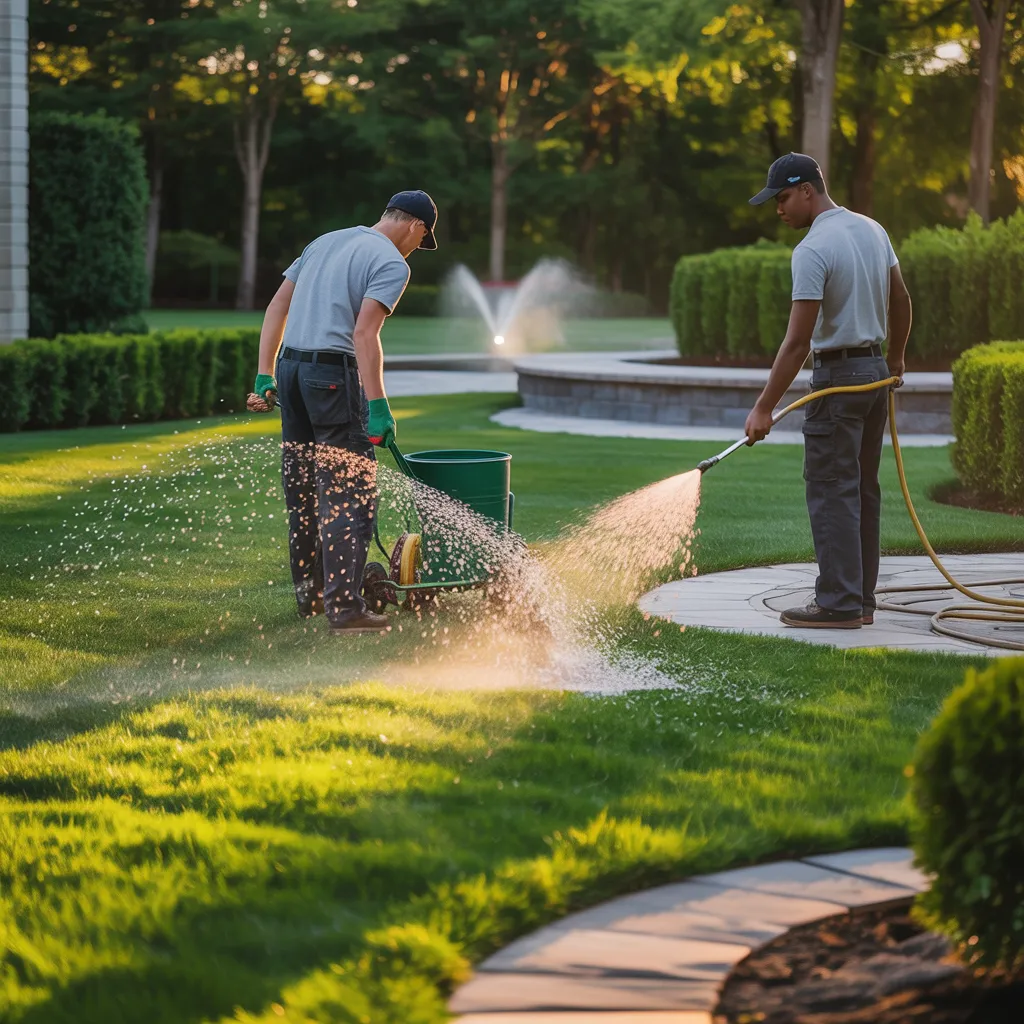
Get to Know Your Grass Type: The Secret to Lawn Care
How can knowing grass types transform lawn care? Knowing the particular grass type in a lawn is crucial for successful maintenance. Different grass varieties have distinct growth patterns, water needs, and sunlight requirements. For instance, view this cool-season grasses grow best in northern climates, while warm-season varieties are better adapted to southern regions. Recognizing the grass type enables homeowners to customize their care routines, promoting optimal health and appearance.
Moreover, knowing the grass type helps in selecting best fertilizers and pest control methods. Certain grasses respond better to specific nutrients, affecting growth and resilience. In addition, awareness of grass types assists in planning seasonal tasks, such as aeration and overseeding, which can differ significantly between varieties. By recognizing these differences, lawn care enthusiasts can implement strategies that promote robust growth, reduce maintenance effort, and maintain a healthy lawn throughout the year.
Master Mowing Techniques for Ideal Lawn Health
Perfecting mowing methods is essential for achieving optimal lawn health. Proper mowing not only improves the lawn's appearance but also supports robust growth. One critical aspect is keeping the correct mowing height. Grass should be trimmed at a height suited to its type, supporting for optimal photosynthesis and root development. Generally, a height of 2.5 to 4 inches is suggested, depending on the species.
Additionally, using well-maintained mower blades ensures clean cuts, which reduce stress on the grass and reduce disease susceptibility. Mowing frequency should align with the grass's growth rate, typically once a week during peak growth periods. It's also helpful to vary mowing patterns to prevent soil compaction and promote even growth.
Finally, leaving grass clippings on the lawn can provide natural fertilization, recycling valuable nutrients to the soil. By implementing these techniques, homeowners can maintain a more vibrant lawn year-round.
Best Lawn Care Practices for Watering Wisely
Effective lawn care goes beyond mowing to include smart watering practices. Proper watering is essential for achieving a lush lawn. The best approach involves thorough, infrequent watering rather than frequent light applications. This encourages deeper root growth and enhances drought resistance. Ideally, lawns should receive about 1" of water per week, adjusted for rainfall.
Timing is also critical; early morning is the best time for watering, minimizing evaporation and fungal growth. Homeowners should use a rain gauge to monitor water levels accurately. Additionally, employing a drip irrigation can deliver water directly to the roots, ensuring efficiency.
Monitoring grass color and texture can offer insights into its water needs; a faded hue indicates need for water. By adhering to these best practices, lawn caretakers can maintain a healthy lawn while saving water and cutting costs.
Key Fertilization Tips for Vibrant Lawn Growth
While many homeowners focus on watering methods, the importance of proper fertilization cannot be neglected in achieving a lush lawn. Proper fertilization encourages robust growth and resilience against natural stressors. Homeowners should determine their soil type and nutrient needs through soil testing, which guides the selection of suitable fertilizers.
Timing is vital; a proper schedule includes fertilizing in early spring and fall to match the grass's growth cycles. Using slow-release fertilizers can provide a continuous supply of nutrients over time, minimizing the risk of nutrient runoff. Additionally, distributing fertilizers evenly guarantees that all areas of the lawn receive adequate nourishment.
It is also beneficial to take into account organic options, as they enhance soil health while reducing chemical dependency. By implementing these key fertilization tips, homeowners can maintain a healthy lawn that thrives throughout the seasons.
Top Pest Control Strategies for a Healthy Lawn
Effective pest control is crucial for ensuring a healthy lawn. Strategies include applying natural pest deterrents, applying chemical treatments when needed, and conducting routine lawn inspections to identify issues early. By following these methods, homeowners can safeguard their lawns from harmful pests while promoting overall health.

Natural Pest Deterrents
Natural pest deterrents offer homeowners a sustainable approach to maintaining a healthy lawn. These methods focus on environmental health while effectively managing pest populations. Common strategies include the use of beneficial insects, such as ladybugs and lacewings, which consume harmful pests like aphids. Additionally, planting aromatic herbs, such as lavender and mint, can organically repel unwanted insects due to their strong scents. Homeowners may also consider using diatomaceous earth, a natural powder that damages the exoskeletons of insects, leading to their demise. Moreover, maintaining healthy soil and promoting biodiversity in the garden can boost natural defenses against pests. By combining these methods, homeowners can maintain a healthy lawn while reducing chemical interventions and fostering ecological balance.
Effective Chemical Treatments
Chemical treatments play an important role in supporting a healthy lawn by targeting specific pest populations that threaten its well-being. These treatments are formulated to address a range of common lawn pests, including grubs, ants, and aphids. By utilizing insecticides and fungicides, homeowners can successfully manage infestations that may damage grass health and aesthetics. It is critical to select the right product based on the specific pest problem, as well as to adhere to label instructions for application rates and timing. Additionally, integrated pest management (IPM) approaches can enhance the effectiveness of chemical treatments by combining them with cultural practices. Ensuring proper application techniques helps minimize environmental impact while promoting a healthy and resilient lawn.
Regular Lawn Inspections
How often should homeowners perform lawn inspections to maintain peak health? Frequent inspections, ideally every two weeks during the growing season, are essential for spotting potential issues early. These checks allow homeowners to detect signs of pests, diseases, or nutrient deficiencies before they worsen. During inspections, it is essential to check for uneven patches, discoloration, and any visible insect activity. Additionally, evaluating soil moisture and overall turf density can offer insights into the lawn’s health. Homeowners should also inspect the edges and borders, where pests often hide. By maintaining a consistent inspection schedule, homeowners can implement timely interventions, ensuring a healthy and resilient lawn throughout the year.
Seasonal Lawn Care Tips for Year-Round Success
Success in lawn care copyrights on a thoughtful seasonal approach that adapts to the shifting conditions throughout the year. In spring, it is important to aerate the soil and use a balanced fertilizer to promote growth. Regular mowing at the right height supports a dense lawn. As summer arrives, watering becomes key; thorough watering, rather than shallow watering, helps roots establish. In fall, overseeding can rejuvenate thin areas, while applying a fall fertilizer prepares the lawn for winter dormancy. During winter, the focus shifts to reducing foot traffic on dormant grass and clearing debris to prevent mold. Each season presents distinct challenges and opportunities, and a planned strategy guarantees the lawn remains lush. By following these seasonal tips, lawn care enthusiasts can maintain a green landscape that thrives year-round.
Troubleshooting Common Lawn Problems for a Lush Yard
Keeping a healthy lawn requires not just seasonal care but also the ability to resolve common problems that may arise. Common issues include uneven growth, discoloration, and pest infestations. Uneven growth can often be attributed to improper mowing or insufficient watering. It is essential to guarantee that the lawn is mowed at the correct height and that irrigation systems provide adequate coverage.
Discoloration, typically manifesting as yellow or brown patches, may indicate nutrient deficiencies or disease. Performing a soil test can help determine necessary amendments. Additionally, pests like grubs or chinch bugs can devastate a lawn, so frequent monitoring is critical. If detected, using appropriate treatments or introducing beneficial insects can reduce damage.
Frequently Asked Questions
How Often Should I Aerate My Lawn for Best Results?
Core aeration of a lawn is most effective when done once or twice a year, ideally in the spring or fall. This process alleviates soil compaction, boosts root growth, and improves water and nutrient absorption for optimal health.
What Equipment Do I Need for Effective Lawn Care?
To achieve effective lawn care, essential equipment includes a lawn mower, aerator, dethatcher, spreader, and durable gardening tools. Additionally, a hose or irrigation system guarantees proper watering, promoting a healthy lawn.
Can I Plant Grass Seed in the Fall?
Yes, planting grass seed in the fall is recommended. Cooler temperatures and increased moisture promote germination, enabling seeds to establish strong roots before winter. This timing often results in a vibrant lawn in the spring.
How Can I Tell if My Lawn Is Overwatered?
Signs of overwatering include yellowing grass, soil that stays soggy, a soft feel when walked on, and more weed growth. Observing these indicators can assist determine if adjustments to watering habits are necessary.
What Are the Signs of Soil Compaction in My Lawn?
Signs of soil compaction include poor drainage, water pooling, stunted grass growth, sparse vegetation, and an rise in weeds. Additionally, the soil feels hard when walked on, signaling reduced air and water movement.